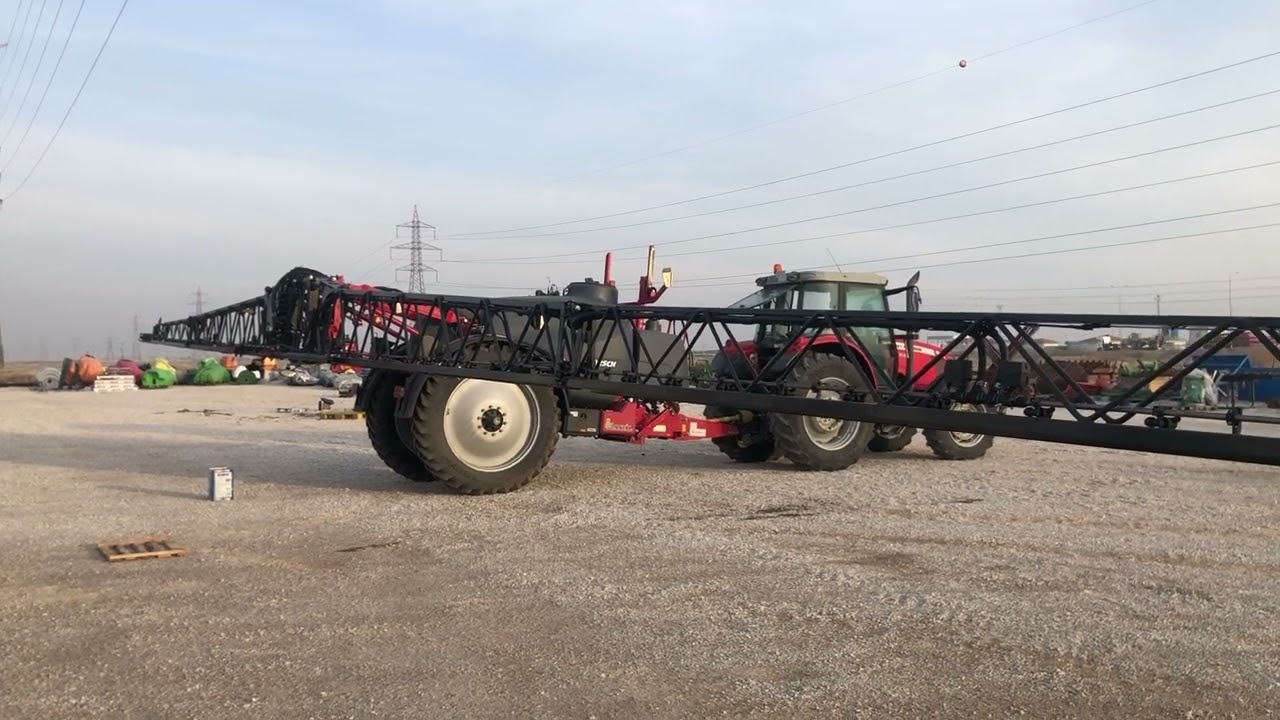
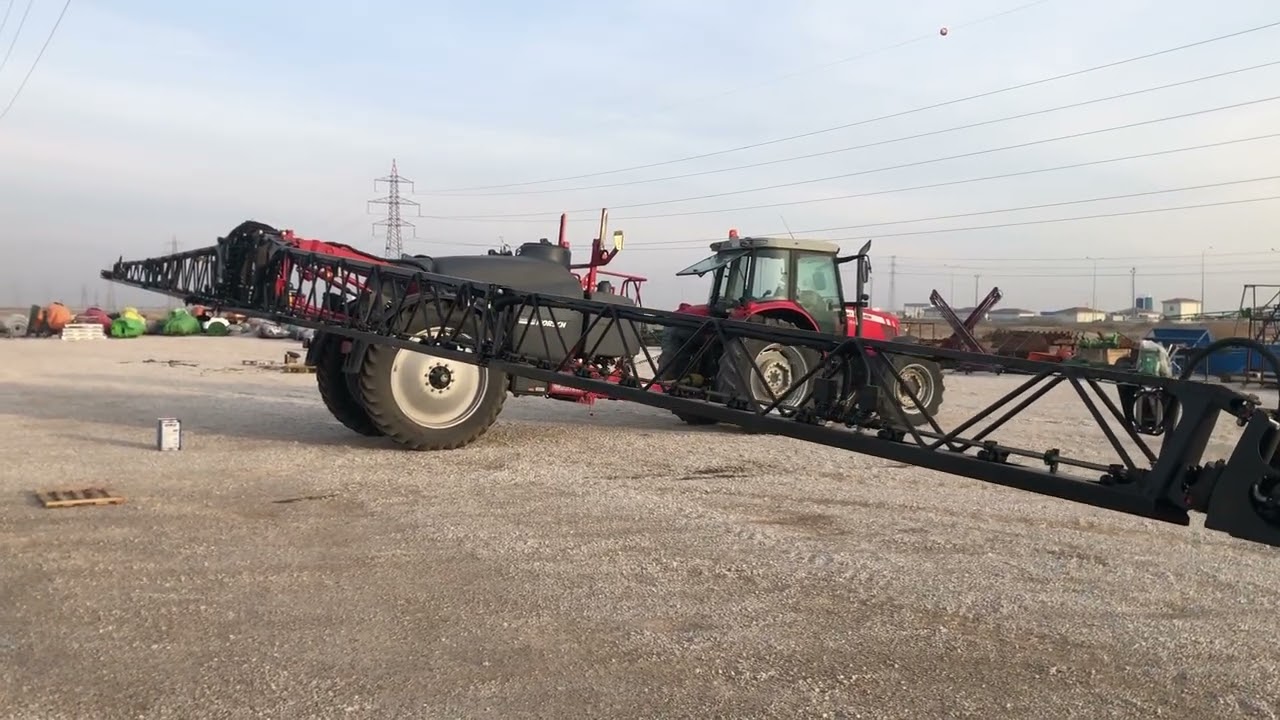
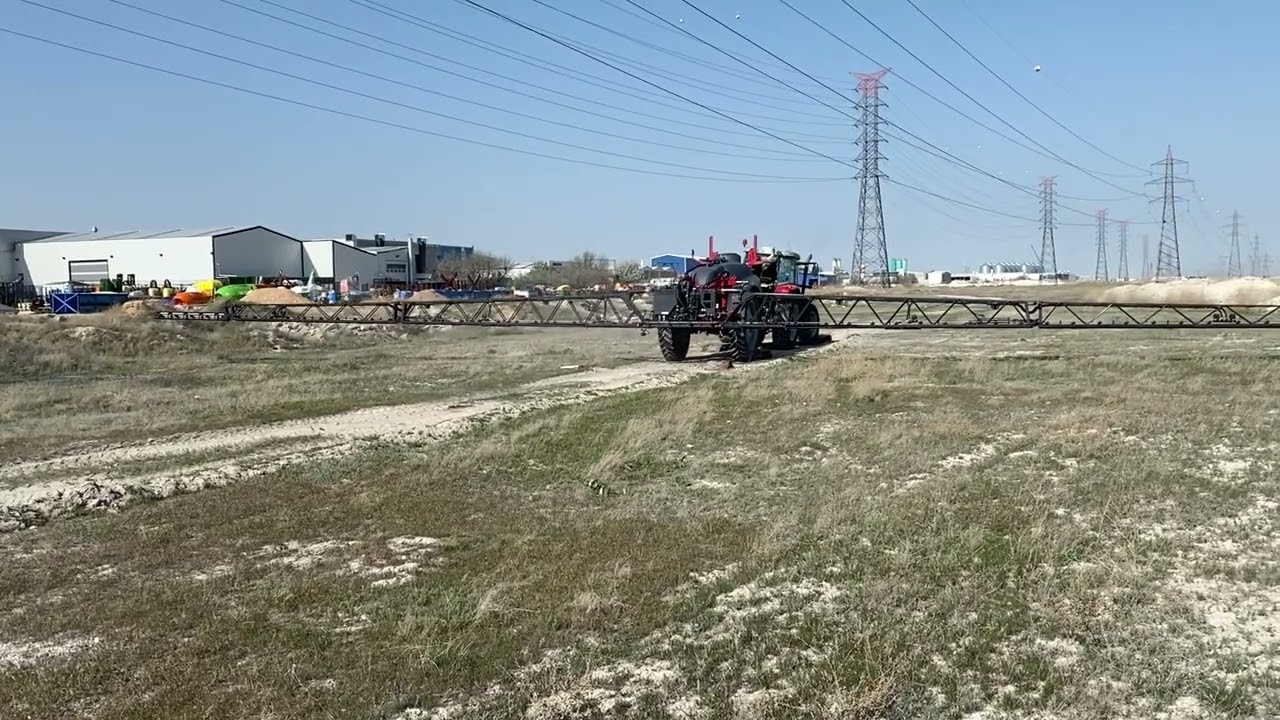
It’s more like You can’t effectively test only one side of floating boom… rising one side affect position of the other side and vice versa.
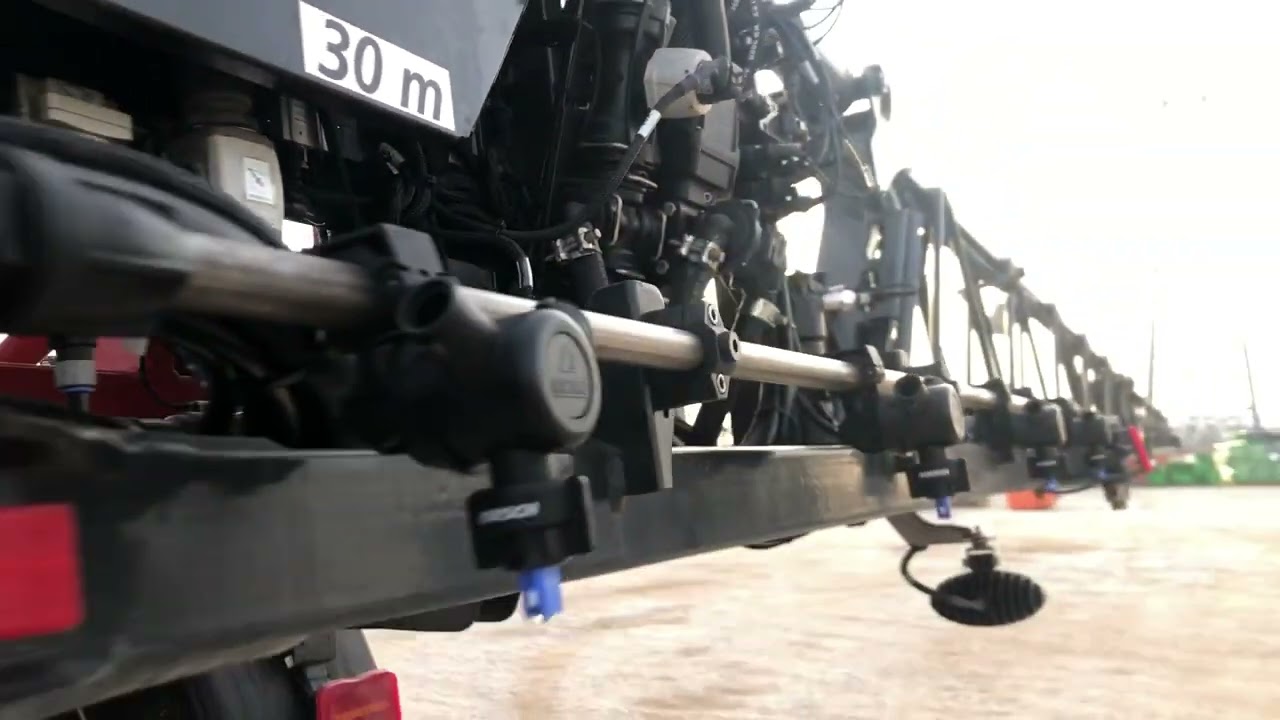
In similar price tag there is a lot of sensors which are waterproof and have the same interface (car park sensors or JSN-SR04T)
Copying code to other side should not generate much additional work and allows to test idea much more accurate. In this form You can test it on bench if it does what You intended
Our now oldish Amazone sprayer uses these ultrasound height sensors for (OEM) tilt and height and they work quite well:
The sprayer also raises booms higher (adjustable) at headlands (when sprayer is switched off.
I believe Amazone has later moved to sensors with an analogue height output signal. Should be easier for height control software.
They are expensive. But yes, they work well. Main difference between OEM amazon system and modifications like my project is proportional valves. I can use duplicated cheep sensors to compensate accuracy errors or even buy this microsonic sensors but it’s still impulse acting control system.
I paid 133 Euros last time I bought one, do you consider it expensive for that performance? It would have been 1200 Euros as an official Amazone spare part, that I consider expensive.
It depends. For 5 euro You can buy waterproof ultrasonic sensor. Use 2 of them in tandem with filtration algorithm and performance is similar (i did comperation tests few years ago with SICK sensor)
Apart from that, in this case the bottleneck is not the sensor accuracy. Its lack of proportional valve. More expensive sensor will not make any difference.
I wouldn’t disagree with that. Not even any area of my expertise. Perhaps just wondering how Amazone made it work so well if you know they don’t use a proportional valve.
Maybe i wasn’t clear enough. Amazone use proportional valves. Any modyfication of existing sprayers rather doesn’t have that. So its not realy need to invest in more expensive and better sensors in those applications.
1 Like
I requested it from the distributor in Turkey. They quoted a price of 213 euros all-inclusive. Customs duty, normal sales tax, everything is included in the price. ‘’ Merhaba, wms-340/RT 178 euro + kdv. teslim süresi 9-10 hafta’’ “I require two units for the wing tips. Would it be worthwhile to purchase them? Was the investment I made reasonable?”
Sort of a random question in this thread but I suppose someone will know. How does automatic boom control work on a pull type sprayer. How do you keep constant flow to the valve to raise and lower booms. Keeping a remote locked back with often no flow seems like it’d be hard on the hydraulic system, or does it use a bypass valve which is closed when it needs to adjust the boom?
but You didn’t explained for what configuration? what type of system You building or repairing. So it’s hard to say anything.
You need constant flow. Most of the time hydraulic system is fitted witch open center valve in the front of machine. It is closing only when function is used and becouse it is located in front of machine, constant flow loop is reduced to minimum.
I was planning to build it from scratch, but I hesitated when the cost turned out to be high.
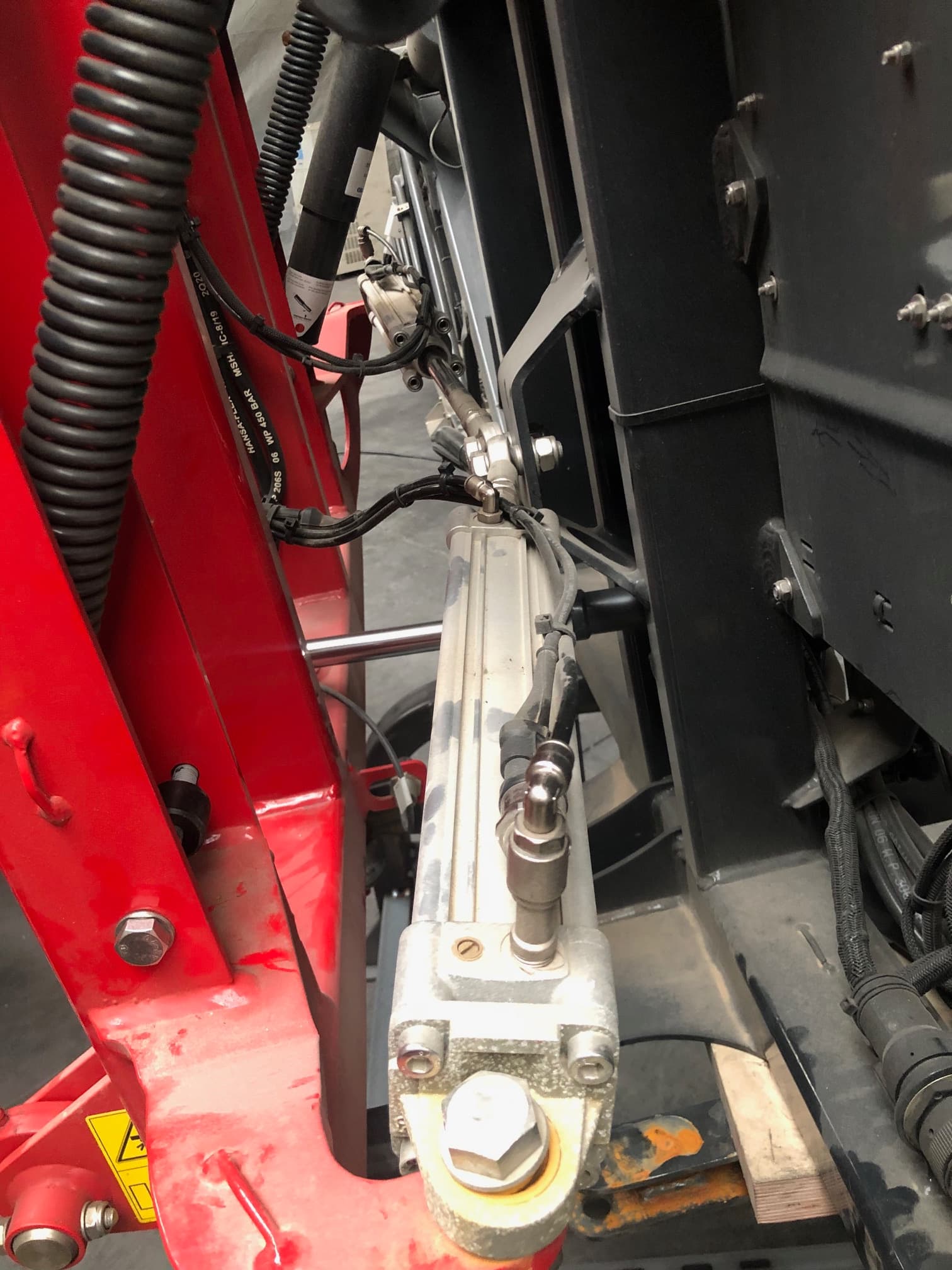
I think air operated cylinders would work better + the solenoids are also cheaper.
downside might be the speed though… But I think it’s still faster than us.
That’s why i made my project which cheap sensors. Firstly, do You have sprayer witch manual hydraulic angle correction? If yes, and it’s already on electric valves than cost will be like 50 - 100 euro including cabling.
I think that most of sprayers have already built in angle correction system. It is based on changing pivoting point so the gravity do the rest of work. Changing it on pneumatic could be hard and add a lot of additional inertia to this system.
But when pivoting point is constant, the pneumatic cylinder can be mounted directly to add imbalance to the boom. Then it have a lot of advantages than hydraulic. My dad made such manual system about 20 years ago.
Hello everyone;
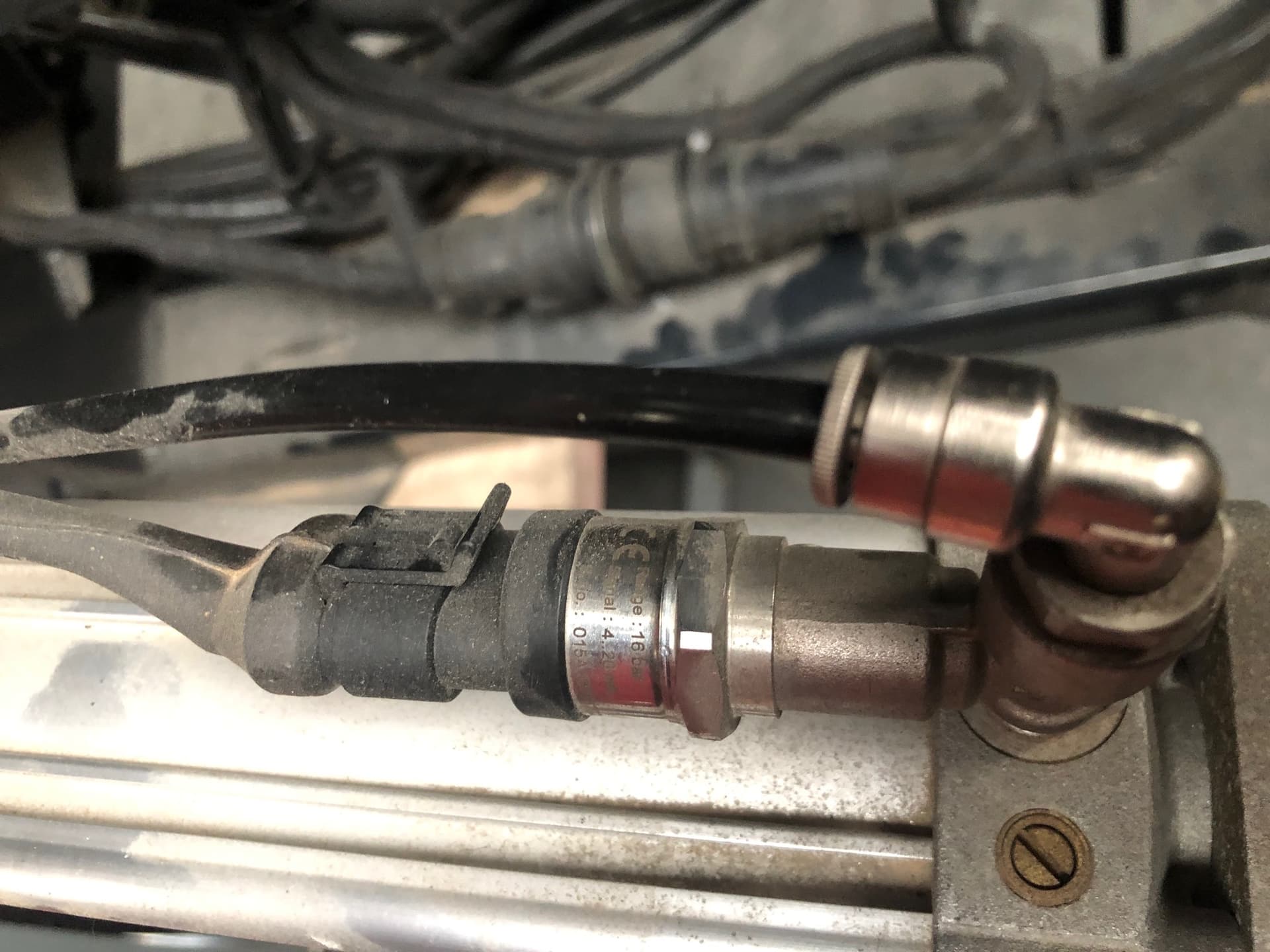
About 5-6 years ago, I did an experiment with my non-proportional hydraulic valves, using a Pepperlfusch 4-20 mA ultrasonic sensor with a 2m distance measurement. In the code I wrote, I defined a variable measurement; for example, if I set the distance between the nozzle and the plant to 50 cm, it always worked with a 50 cm distance. I could change this number as I wanted, but because there were many fluctuations, I set a buffer, something like 48-52 cm.
In my experience, using proportional valves is best for getting the best results from this, but for starters, you can use on/off hydraulic valves. I can’t write anything positive because I haven’t been able to do field trials; it remained a prototype.
In my opinion, pneumatic cylinders are best for roll correction in pendulum systems; they can respond very quickly. As far as I know, Horsch and Damman use this system, but when sensors are involved, I think Norac is one of the oldest and best companies in this field.
I had the chance to test a Horsch Leeb, maybe that can give you some ideas. The roll correction works very well and responds quickly thanks to the pneumatic cylinders, so I’m sure if we put a full glass on top of the boom and tested it, it wouldn’t spill. Like a beer glass sitting on the muzzle of an old German Leopard tank.
2 Likes
The situation I’m working with has existing electric/hydraulic valves. I’ve done a little looking around and an air system may not be anymore expensive (if starting from scratch). It’d be fun to work on one.
1 Like