Has anyone made a boom height control for a sprayer ?
I’m thinking antenna mounted on each end of the boom, with using elevation to send signal to control hydraulic valve in sprayer.
And how do you know the elevation under the boom?
All the systems I’ve seen use 3 sensors. (Sometimes 2 and a potentiometer at the middle)
For me the most feasible would be to control the middle manually (as we rarely need to change that) and align the 2 sides individually with sensors.
Argo-Hytos had a valve designed for this at agritechnica.
You’re looking at 2 hydraulic functions and a -5 / +10 degree on the boom.
Do you have the right boom for this?
I agree middle boom is fine manual. All booms are controlled with electric over hydraulic valve.
It’s just a thought, I think one of the commercial system uses something like sonar to since distance.
I don’t know anything about this github page, but it looks like an interesting project. GitHub - JHassall/ABLS: Automatic Agricultural Boomspray Levelling System, for AgOpenGPS
anyone tried this system?
This system looks promising, but I feel it’s way more complicated than I need. I would like to have a stand alone system that will maintain boom height in a certain range. Basically if sprayer hits a low spot help keep the booms out of the ground.
2 Likes
@Kyfarmer and anyone else interested. Want to make one this winter? I’m about done with a PWM sprayer and this was next on my list. The trick is “how to make it work for everyone”.
I will gladly do what I can but I have zero knowledge of how to write code.
My thoughts are start simple then add features etc as it goes.
I sent you a PM.
@Ray_Jorgensen how are you thinking you’ll do it? Using elevation seems complicated and will only work if the field is previously driven. So won’t work for any custom sprayers. Radar or sonar seems more versatile.
1 Like
Radar won’t work well in dusty conditions. I think the commercial systems use sonar so that’s the route I’m going. Mount it 2 - 3 ft ahead of boom and also use some predictive calcs. Might also angle the sensor slightly forward. every little bit of seeing what ahead will help. It’s gonna be a fun little project. I’ll keep you all posted. @Kyfarmer is gonna be helping on the physical side. And anyone else who wants to help is more than welcome.
1 Like
I have used a greentronics system. Based on that experience I agree 100 percent that anything you can do to increase lookahead would be an improvement. Also when the Greentronics system is in automatic mode, anytime you raise a boom manually, it overrides and turns off the automatic boom control for whichever side of the boom you raised. Anytime you lower that side of the boom it returns to automatic control. I find that to be very intuitive and useful. Looking forward to see what you come up with.
I made such system based on 4 proximity ultrasonic sensors. This is the way that oryginaly is made.
4 Likes
@floop93 Care to share your project?
1 Like
It was more like ‘proof of concept’ than ‘product’. I made it few years ago for my brother’s sprayer (hardi 18m wide with HC5500). Because it has regular electromagnetic valves (not proportional) it took lot of tuning to get it working well. I dont have this project uploaded into github so if someone is interested i could create some repo.
Sprayer was sold lately so I have only few archive photos. Whole project was based od stm32 and 4 ‘car park sensors’ (2 for each side to enhance reading accurate). There was 2 modes, first was created to keep balance and height, second was only balancing the boom. (first one was too itchy because it tries to manage 2 degrees of freedom at once based only on endpoint readings)
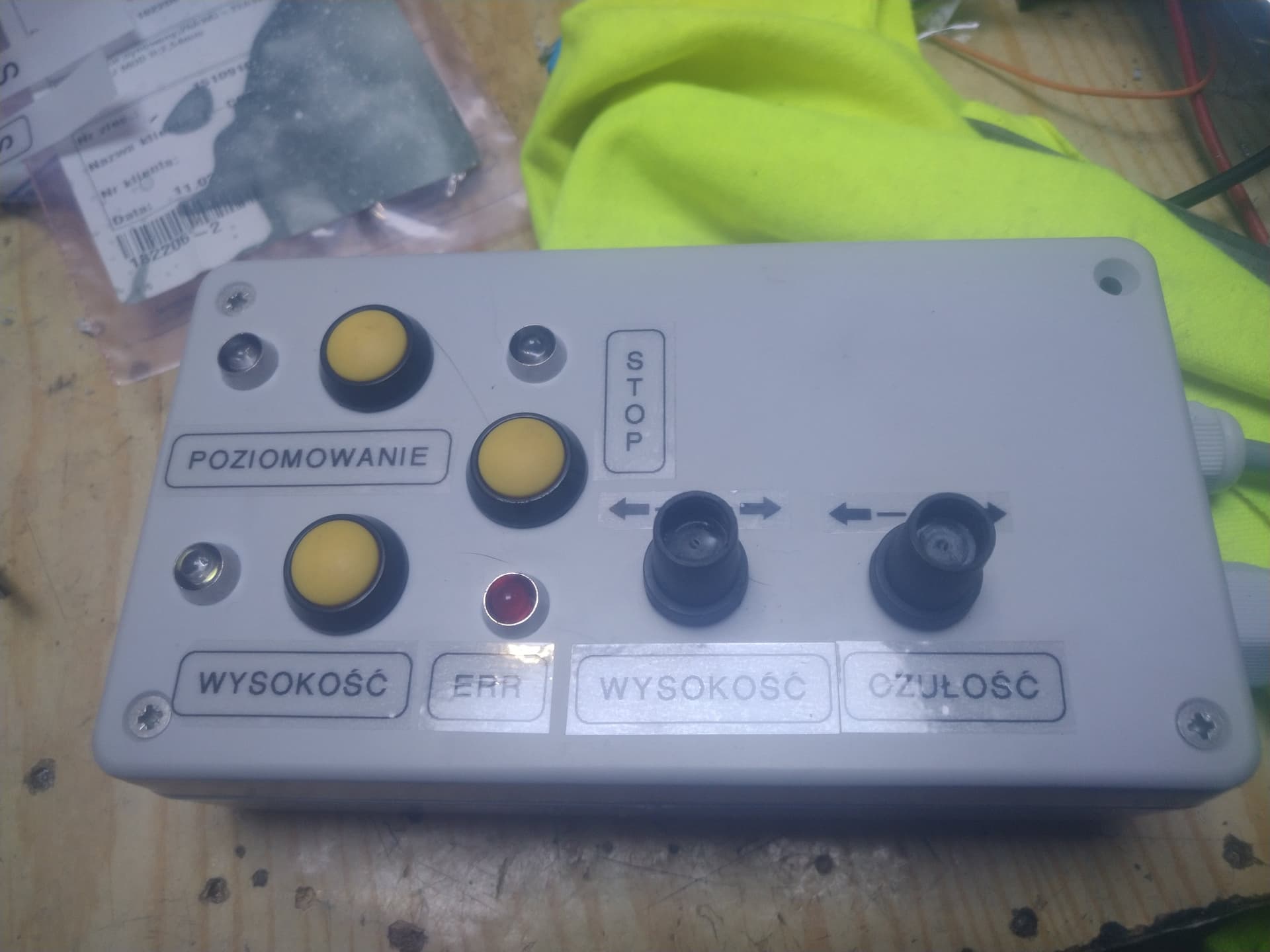
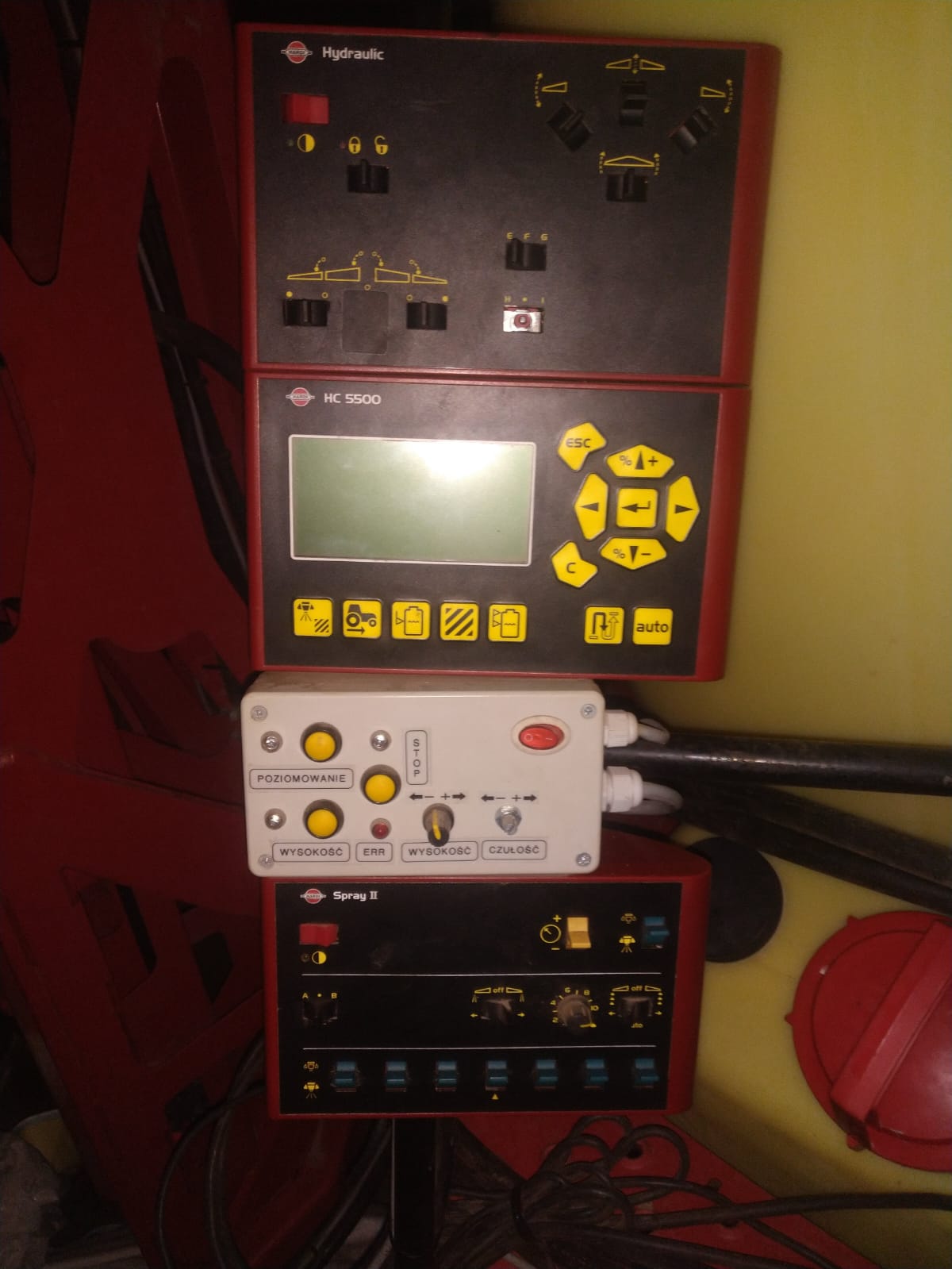
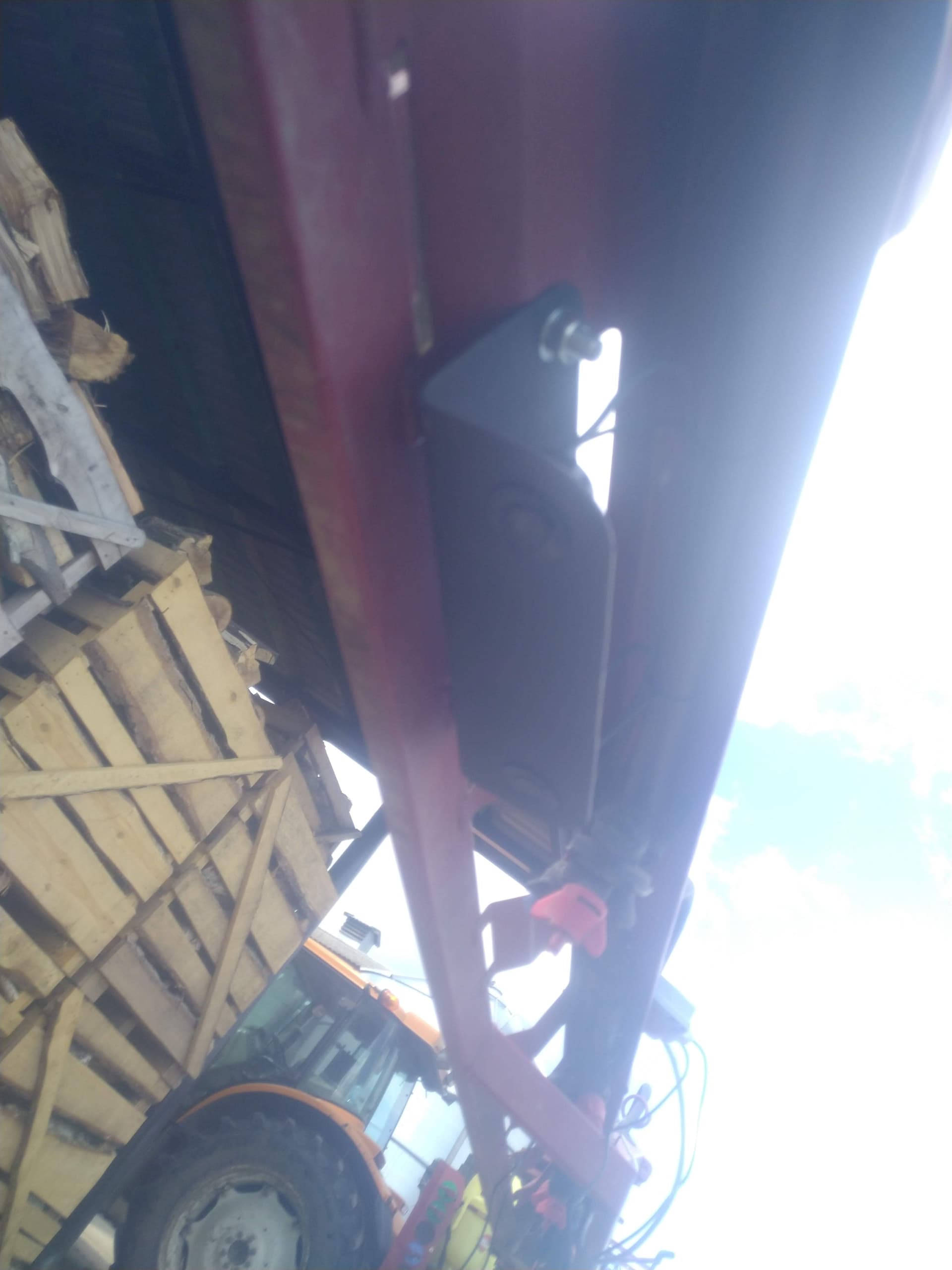
3 Likes
Yes, it is unclear why such an interesting project has not yet been shared.
Ok I almost forgot about it… and it took long time but finally i found some time to update this mess into github. Firstly, i didn’t remember that it was already made on custom pcbs.
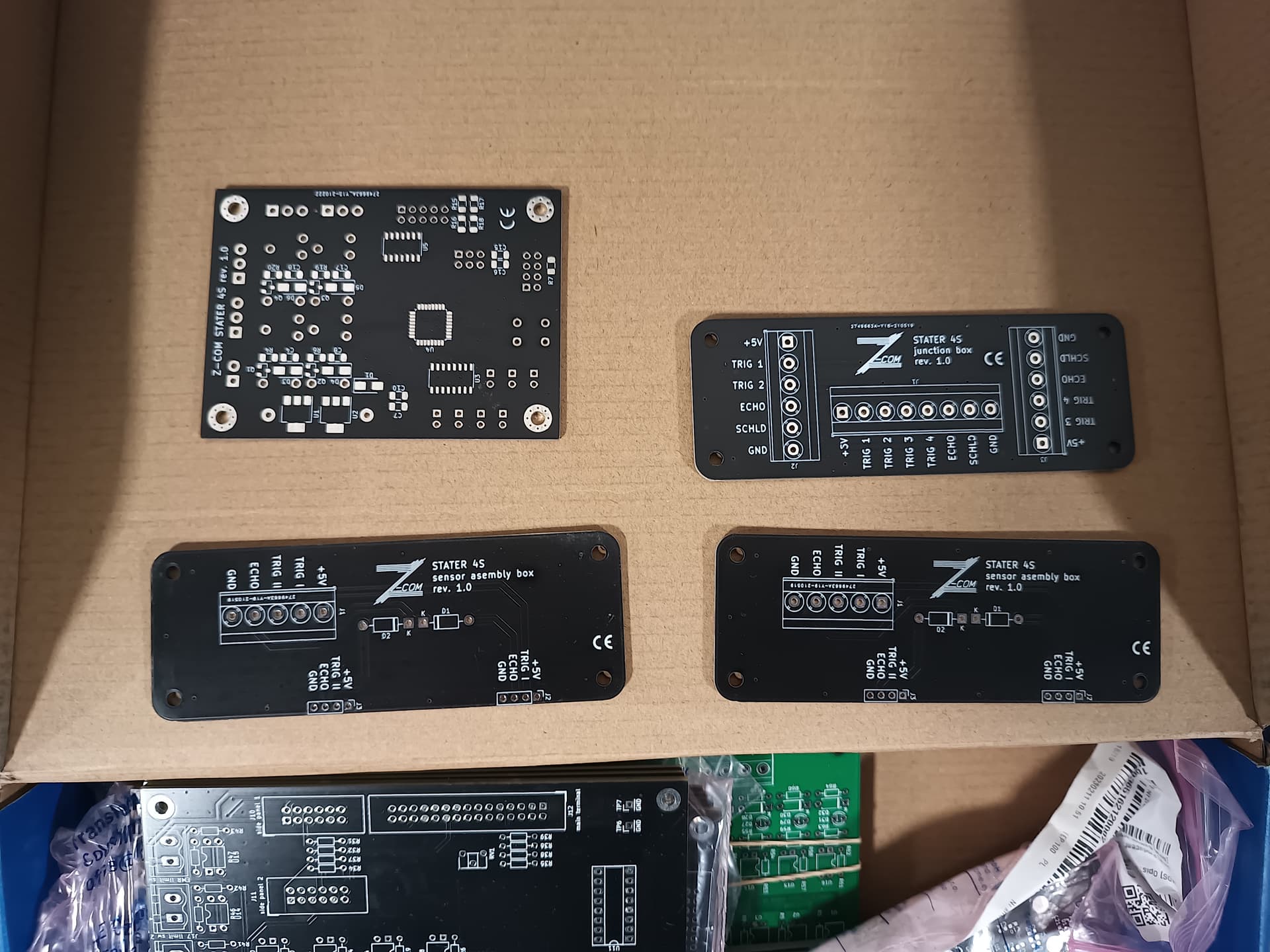
I think that radar sensor could be much better than ultrasonic (when i was making this they were much, much more expensive, so i rejected them)
I think most of the issues are described in the readme file:
Maybe it will be helpfoul for someone
2 Likes
We’re looking for someone from a warmer part of the world to test this. It’s designed for an electric over hyd system. So far the code is only for the right side. Left side will come when it’s working. Look at the readme for part’s etc.
2 Likes
HC-SR04 is not waterproof. Sadly it behaves poorly in application like this. I think radar sensor would be much more precise (cheap ultrasonic looses lots of readouts or gives back random numbers becouse of plants on field. I tested that on multiple ocasions)
Other than this, boom is suspended on floating joint and even with two separate wings regulation You need to adjust this point as well. That’s why if You try to regulate only right wing, results will be random. To make proper tests on that configuration I assume that there need to be boom height sensor and also left wing and center point valves included.
In arduino code i see that it uses AgO data (velocity)? And rest of data is sent via serial by user?
I understand that the HC isn’t waterproof and probably not the most accurate. My thought is to start cheap and replace once proven. The reason for right side for now is not for field use but to get code dialed in and then just copy for the left side. Once we get basics working then it’s not hard to to upgrade the components, within reason.
Speed will come from AOG if available otherwise user input. Yep serial for now (that’s what Mike uses) and add UDP in the future.